
Supremes Need to Kill the Boulder Climate Lawsuit: It Upends the Constitution and Would Create Legal Chaos If Upheld
Guest Post by Kyle Kohli from Energy In Depth.
For the first time, more than 100 members of Congress have formally called on the Supreme Court to intervene in the wave of climate lawfare across the country. In an amicus brief led by House Majority Leader Steve Scalise (R., LA) and joined by 102 other lawmakers, the members warn that Boulder, Colorado’s lawsuit against energy companies “upends the constitutional balance between federal and state authority” and threatens to let “every locality in the country sue essentially anyone in the world” over climate change.
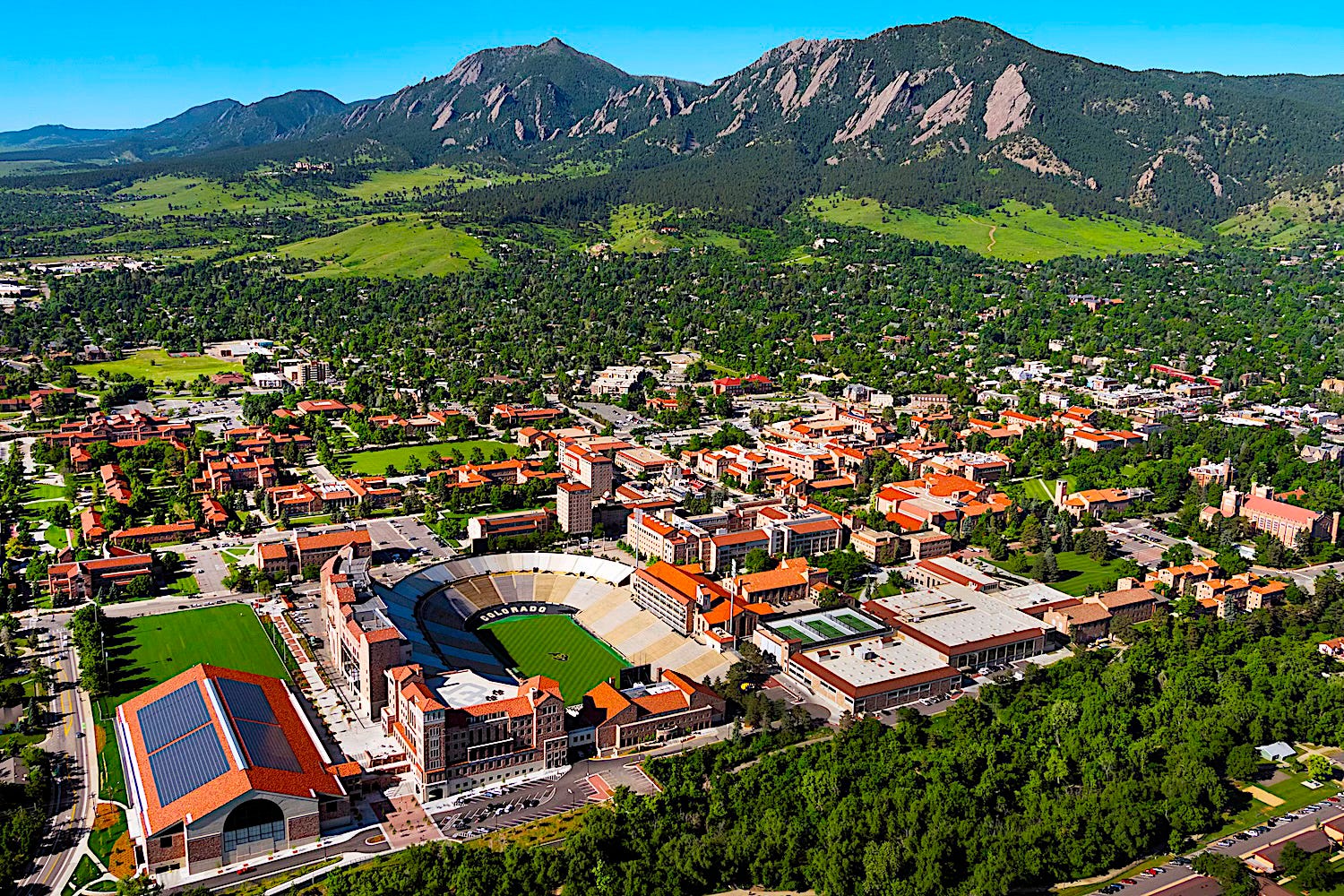
The filing marks a historic moment in the years-long legal and political fight over these climate cases. While the DOJ and a coalition of 26 states have already urged the Court to hear the case, this is the first time such a broad group of sitting members of Congress have weighed in, demonstrating the threat of higher energy prices posed by these cases has captured the attention of Congress. It also comes as Boulder’s case has barely budged after years of legal wrangling, despite being hailed as a critical case for the movement when it was filed in 2018.
The brief argues that local governments are trying to “usurp federal authority” by improperly using state law to dictate national energy policy. It cites more than a century of Supreme Court precedent holding that disputes over interstate or international pollution must be governed by federal law, not local courts.
“States have no authority to regulate interstate and international emissions,” the members wrote, arguing Boulder’s theory “would restructure the American energy industry if not bankrupt it altogether.”
Colorado Delegation Increases The Political Stakes
Four Colorado members of Congress signed the brief: Representatives Lauren Boebert, Jeff Crank, Jeff Hurd, and Gabe Evans.
Evans’ inclusion is particularly notable. He represents Colorado’s 8th Congressional district, a recently created swing district that borders Boulder County and includes the state’s only oil refinery, a facility directly named as a defendant in the Boulder lawsuit. His district is expected to be one of the most competitive races in the nation in 2026, putting Boulder’s case at the center of the debate over the future of Colorado energy prices. To date none of his potential opponents have commented on Boulder’s case or the Supreme Court appeal.
Rep. Hurd, meanwhile, represents the third Congressional district which includes the Western Slope and San Miguel county, a municipality that originally was included alongside Boulder. That suit has subsequently been split from Boulder’s and currently sits idle in Denver District Court.
Statewide elected officials like Gov. Jared Polis, Sen. Michael Bennet, have largely avoided vocally backing Boulder’s lawsuit, at least publicly. Former Gov. and now-Sen. John Hickenlooper, likewise, did not publicly support the case when it was first filed in 2018.
The Denver Post editorial board came out against the lawsuit in 2018, writing it “dangerously misses the mark.” Gale Norton, former Secretary of the Interior and former CO AG, has also argued against Boulder’s lawsuit, previously writing a “patchwork of litigation by municipalities should not determine America’s path forward on energy and climate.”
With voters expressing fury with inflation and high energy prices in 2024, any association with climate cases like Boulder’s is seen by many experts as a surefire loser at the ballot box.
Gov. Gavin Newsom aggressively backed California’s own climate lawsuit in 2023, but the governor has dialed back his attacks on Big Oil as he attempts to pivot to address significant public concern with California’s sky-high energy prices.
Rising Congressional Scrutiny: Sher Edling and Foreign Influence
The amicus brief also arrives amid growing concern on Capitol Hill around the coordinated network behind the lawsuits.
The House Judiciary and Oversight Committees have launched investigations into Sher Edling, the dark money law’ firm coordinating many of these cases, and the Bloomberg/NYU SAAG program that activists use to push climate lawsuits through state AGs.
Additionally, 23 state AGs wrote a letter to Environmental Protection Agency (EPA) Chief Administrator Lee Zeldin, calling on him to cancel federal grants to the Environmental Law Institute (ELI), which runs the radical “judicial education” effort Climate Judiciary Project (CJP) – an effort designed to bias judges in climate cases before the lawsuits are ever heard in court. Shortly after, the House Judiciary Committee also launched its own ongoing active investigation into ELI’s CJP.
In the Senate, the issue exploded into public view during this summer’s “Enter the Dragon” hearing, where Sen. Ted Cruz and other members examined potential foreign and Chinese influence in the broader lawfare campaign against American energy. Cruz argued the Rockefeller-backed law firms driving the effort were pushing cases “designed to exhaust, to intimidate, and to destroy America’s energy sector. Death by a thousand cuts.”
Bottom Line: With the DOJ, 26 states, and now more than 100 members of Congress all urging Supreme Court review, the Boulder case has become the defining test of whether climate litigation belongs in local courthouses or in the federal policy arena. The Court’s eventual decision could determine whether the United States continues down a path of one-off lawsuits that will raise energy prices across the country, or restores a single, national standard for regulating global emissions.
#EIDclimate #Climate #ClimateChange #KyleKohli #EnergyInDepth #ClimateLawfare #Boulder #SupremeCourt

If they win, no cars of any kind, walk, no phones as well, have to use oil to make them as well.
And see how long they last.
You can’t go part green you have to go all the way.